
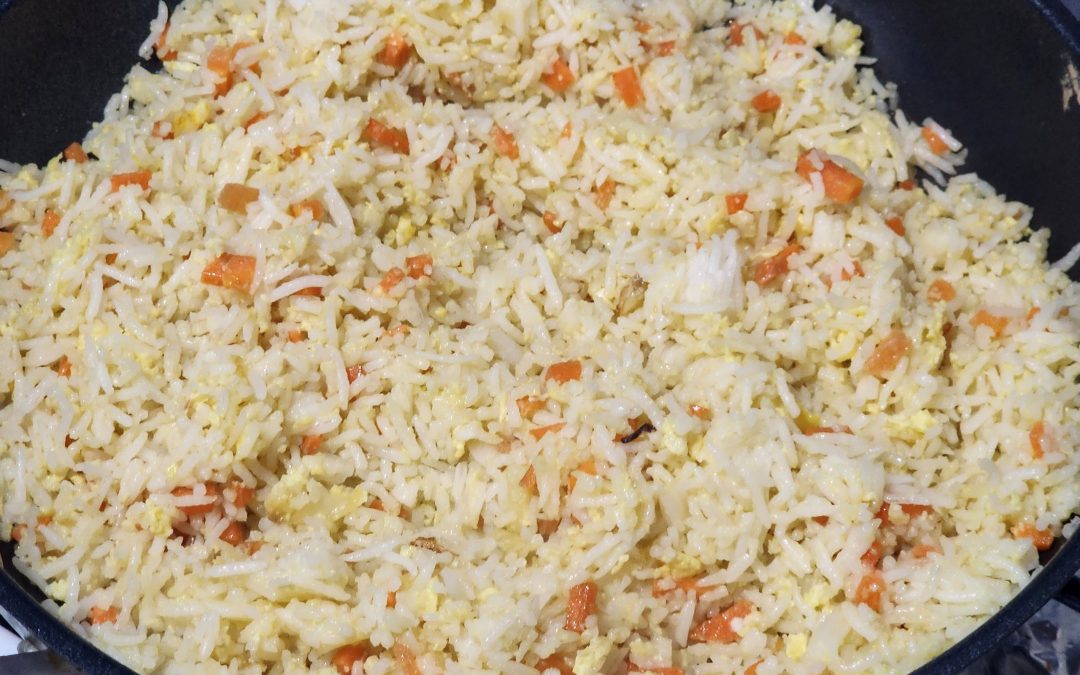
I love fried rice, and I’m very particular about it. For me, I like the loose, individual grains and the strong aroma of fried garlic—the eggs, carrots, and meat are just bonus ingredients.
My dad used to cook the best garlic fried rice. He used a smaller variety of garlic, not the large bulbs typically found in grocery stores.
When I first made fried rice, I wasn’t satisfied with it. It wasn’t what I was expecting. However, through countless attempts, a lot of trial and error, and finally understanding the why behind the steps, I’ve landed on seven fundamental tips
In this article, forget the mushy and sticky, disappointing fried rice. Master these tips, and you’ll be making fluffy, flavorful, loose, and absolutely crave-worthy fried rice every single time.
These aren’t just tips; they are the laws of great fried rice, which I am going to share with you today.
Tip #1: Choose the Correct Type of Rice
Always use long-grain rice, such as Jasmine or Basmati, and avoid short-grain rice, such as sushi, Japanese, or Calrose rice. I highly suggest Basmati rice, as it becomes loose when cooked and refrigerated.
I use Basmati rice and brown rice when I make my favorite fried rice. When cooking brown rice, please don’t use too much water; it will turn out too mushy and sticky.

Whatever long-grain rice you’re using, use trial and error to get that perfect cooked, fluffy, loose rice.
Tip #2: Place the Rice in the Fridge Overnight
Preparation is key. This is a golden rule, and it’s the one you absolutely cannot break. If you use warm, freshly cooked rice, it will release steam, stick to the pan, and turn into a gummy mess. The goal is distinct, individual loose grains.
Why it works: When rice cools, especially overnight in the fridge, three things happen. First, it dries out, losing a significant amount of surface moisture.
Second, the starches firm up (a process called retrogradation). This makes the grains firm enough to withstand the high-heat tumbling of a wok without turning to mush.
And the third, the healthy bonus: it becomes starch-resistant. Resistant starch is dietary starch that ‘resists’ digestion in the small intestine. Meaning not everything is absorbed by your body. Likewise, resistant starch feeds the friendly bacteria in your intestine.
“But I don’t have day-old rice!” – The Emergency Hack: I get it. Sometimes you decide on fried rice at the last minute. Here is my go-to emergency method that works wonders:
- Cook a batch of rice.
- Immediately spread it in a thin, even layer on a baking sheet. The more surface area, the faster it will cool and dry.
- Place the baking sheet, uncovered, in the refrigerator for at least 30 minutes, or in the freezer for 10-15 minutes. It might not be as perfect as day-old rice, but it will be a thousand times better than using it warm.
Tip #3: Prepare Everything Before You Cook Anything
Being organized is key. You will not have time to beat the eggs or look for the soy sauce once your wok or pan is already on high heat with oil and garlic in it. If you try, you’ll burn the garlic. Prepare for success by having everything ready to go.
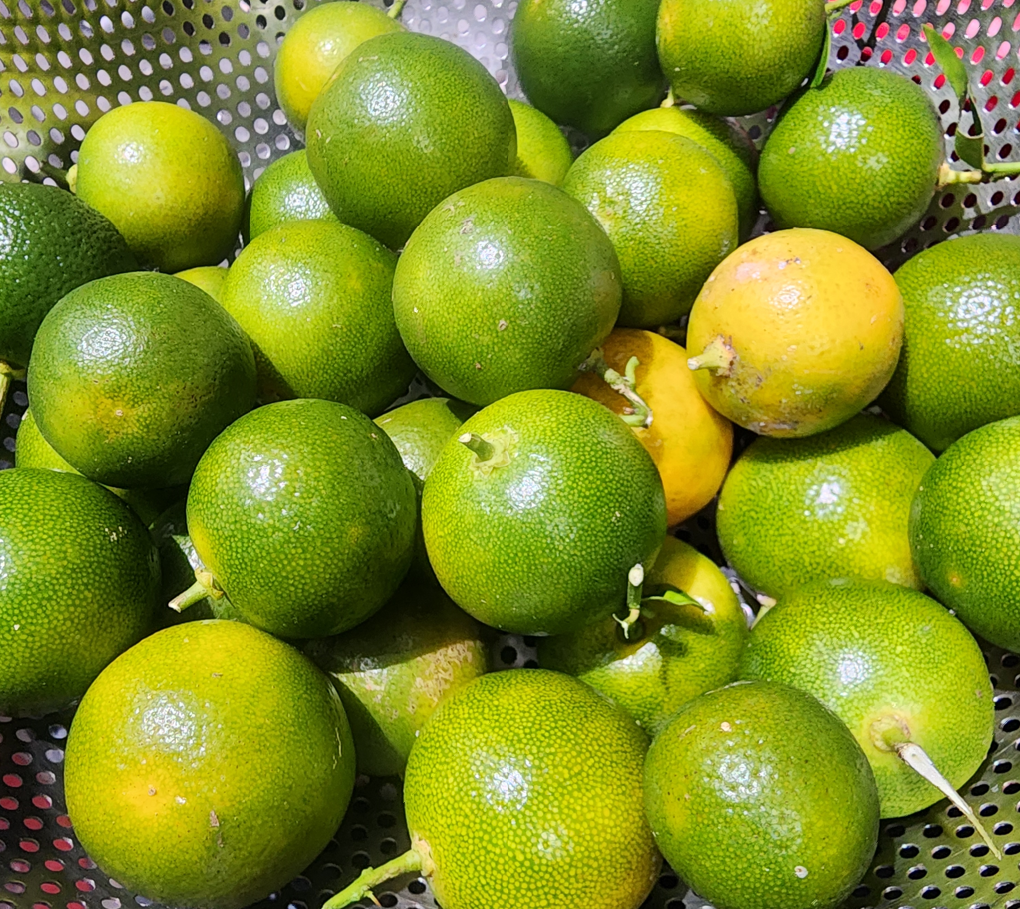
Before igniting your stove burner, have all your ingredients ready, chopped, measured, and waiting in small bowls next to the stove. This includes:
- Your garlic
- Your diced veggies and meat
- Your sauces, soy sauce, oyster sauce, fish sauce, shaoxing wine, etc.
- Your eggs, already whisked
- Your cold, cooked rice
This “mise en place” (a French term meaning “everything in its place”) is the secret to a calm, controlled cooking process.

Tip #4: Use High Heat
High heat is one of the secrets of Chinese cooking. You need a screaming hot wok or a large, heavy-bottomed skillet (like cast iron). High heat is what gives fried rice its signature smoky aroma.
How to do it right: Place your wok or skillet over high heat. While the wok is heating up, put your cooking oil and garlic together at once. Doing this will prevent the garlic from burning. Stir-fry until the garlic is almost cooked.
As the heat intensifies, add your meats and other ingredients. This intense heat flash-fries the ingredients, rather than slowly stewing them. Maintain the high heat once you add your rice until it’s done.
Tip #5: Follow the Correct Order of Operations
The sequence in which you add ingredients matters. Adding things at the wrong time leads to overcooked eggs, raw carrots, or burnt garlic.
- Egg First: Scramble the egg in the hot, oiled pan first. Cook it until just set, remove it from the pan, and set it aside.
- Garlic next: Add a fresh splash of oil, then stir-fry the garlic for about 30 seconds, until browned and fragrant. You may also want to add onions or ginger.
- Hard Veggies & Meat: Stir-fry your meat first, then your veggies. Cook until they are almost done. You may also blanch your carrots in boiling water to make them easier to cook, but you have to add them later on. In my experience, if I cook the carrots thoroughly, they burn quickly in the oil.
- Toss the Rice In: Add your cold, clumped-up, or loose rice. To make this step easier and safer, break up the large clumps with your hands or a ladle before adding them to the hot pan. This prevents you from having to smash cold clumps in hot oil aggressively. This will make stir-frying easier and help avoid accidents.
- Sauce Time: Pour the sauce over the rice and evenly distribute it. Then stir-fry it quickly so the sauce will spread evenly. For an even deeper flavor, try this pro technique: push the rice to the sides of the wok to create a space in the middle. Pour the sauce into that hot space. It will sizzle and caramelize instantly before you toss it through the rice.
- Combine and Finish: Add the cooked eggs back, along with any quick-cooking ingredients like frozen peas, bean sprouts, or chopped green onions. Toss everything together for a few seconds to a minute to heat through, and serve immediately.
Tip #6: Avoid Multitasking
Forget the phone ringing or your wife shouting, unless it is life-threatening, focus on your fried rice. But if you really have to leave, remember to turn off the stove! How many times have I burned the garlic because I did something I shouldn’t have been doing while cooking.
Tip #7: Use Healthy Ingredients
Take this opportunity and use healthy ingredients. Restaurants buy fried rice that usually uses vegetable oil, and they use a lot of it. Now that we have the choice to change it let’s use olive of avocado oil instead.
For meats, use lean cuts and avoid excessive fat. Likewise, use less soy sauce to lessen sodium.
Follow these seven tips, and you’ll move from making “rice mixed with stuff” to creating truly exceptional fried rice. Happy cooking!